

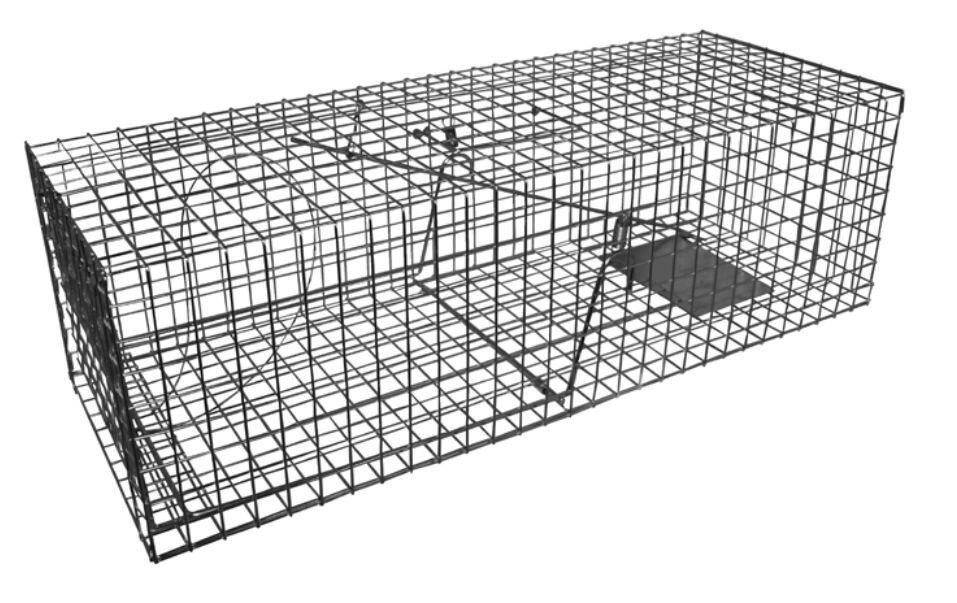
- Single catch treadle operated trap
- Carrier handle for easy handling
- Long-lasting galvanized mesh design
- Size: L73 x H28 x W25 cm
Professional Cat Trap – Humane Live-Catch Cage for Feral Cats
Safely capture stray and feral cats with this robust Cat Trap, specifically designed for humane live capture without causing injury. Suitable for animal welfare organisations, veterinary practices, pest control professionals, farmers and property owners, this professional-quality Cat Trap provides a safe and reliable solution for catching cats for relocation, neutering, health assessments or other lawful animal management purposes.
Manufactured from heavy-duty galvanised steel mesh, the trap features a sensitive treadle-operated mechanism that closes the door quickly and securely once the animal enters. Unlike improvised trapping methods, this purpose-built Cat Trap is designed to minimise stress and prevent unnecessary harm to the animal.
Whether you are participating in a Trap-Neuter-Return (TNR) programme, removing feral cats from commercial premises, or assisting a rescue organisation, this humane Cat Trap delivers dependable performance and ease of use.
Why Choose This Cat Trap?
A well-designed Cat Trap should be reliable, humane and simple to operate. This model has been developed to make trapping both safer for the operator and less stressful for the animal.
Key Features
- Professional-quality live-catch Cat Trap
- Humane cage design captures cats without injury
- Sensitive treadle trigger mechanism
- Strong galvanised steel construction for long service life
- Carrying handle for safe transport
- Pull-wire system for safer door release
- Suitable for both professional and amateur users
- Reusable and easy to clean
- Weather-resistant finish for outdoor use
Humane Live Capture
This Cat Trap has been designed specifically to capture cats alive without causing unnecessary injury. Once the cat enters the cage and steps on the treadle plate, the door closes quickly behind it, preventing escape while keeping the animal safely contained.
Live-catch trapping is widely used for:
- Trap-Neuter-Return (TNR) programmes
- Veterinary examinations
- Vaccination programmes
- Rehoming stray cats
- Humane relocation where legally appropriate
- Animal welfare and rescue operations
Because the animal remains alive and uninjured, this type of Cat Trap is considered the preferred option by many veterinary professionals and animal welfare organisations.
Heavy-Duty Galvanised Construction
The cage is manufactured from strong galvanised wire mesh that provides excellent durability and corrosion resistance.
Benefits include:
- Suitable for outdoor use
- Rust-resistant finish
- Strong enough for repeated professional use
- Easy to disinfect between captures
- Long operational lifespan
The sturdy frame also helps prevent distortion during transport.
Sensitive Trigger Mechanism
The treadle-operated trigger has been designed to provide dependable activation while reducing accidental closures.
The trigger sensitivity can be adjusted depending on the circumstances.
A lighter setting may be suitable for cautious cats, while a firmer setting can reduce false triggering caused by birds or other small animals.
Safer Pull-Wire Door Release
One of the unique features of this Cat Trap is its integrated pull-wire release system.
Rather than placing your hands near the trap door when releasing the animal, the pull wire allows you to operate the mechanism from a safer position.
This offers several advantages:
- Reduced risk of scratches or bites
- Easier transfer into transport cages
- Less stress for both operator and animal
- Better control during release
How to Set the Cat Trap
Setting the Cat Trap only takes a few moments.
Step 1
Place the trap on level ground with the carrying handle facing upwards.
Step 2
Hold the trap securely and pull the release wire to raise the trap door.
Step 3
Position the connecting bar beneath the door lip to hold the trap in the set position.
Step 4
Adjust the treadle sensitivity if required.
Step 5
Carefully ensure the mechanism operates freely before placing bait / water.
Always keep fingers clear of the closing door while setting the trap.
Choosing the Best Location
Correct placement is often more important than the trap itself.
For best results:
- Observe where cats regularly travel
- Position the Cat Trap along natural routes
- Place it near feeding locations
- Ensure it sits level on firm ground
- Remove sticks, stones or debris that may interfere with the trigger
Avoid placing the trap in exposed areas where animals may feel vulnerable.
Best Bait for a Cat Trap
Cats can be cautious around unfamiliar objects, so choosing an attractive bait can significantly improve capture rates.
Popular baits include:
- Wet cat food
- Tuna
- Sardines
- Mackerel
- Fish scraps
- Crab sticks
A useful technique is to place:
- A small amount just outside the entrance
- A little more immediately inside the trap
- The largest portion behind the treadle plate
This encourages the cat to fully enter the Cat Trap before activating the mechanism.
Professional Tips for Better Results
Experienced wildlife professionals often use several techniques to improve capture success.
Allow the Trap to Weather
Brand-new traps may carry manufacturing or human scents.
Leaving the Cat Trap outdoors for several days before first use can help reduce unfamiliar odours.
Camouflage the Cage
Covering the trap lightly with:
- Grass
- Leaves
- Small branches
- Hessian
- An old towel
can make cautious cats feel more secure. Ensure the trigger mechanism remains unobstructed.
Be Patient
Feral cats are naturally wary. It may take several days before they gain enough confidence to enter the trap.
After You Catch a Cat
Once a cat has been captured:
- Cover the trap with a blanket or towel to reduce stress.
- Keep the trap in a quiet, sheltered location.
- Avoid unnecessary handling.
- Provide appropriate veterinary care or contact a recognised animal welfare organisation if required.
- Never leave a trapped animal exposed to extreme weather.
The trap should be checked at least once every day, although more frequent inspections are strongly recommended, particularly during warm or cold weather, to minimise stress and safeguard the animal’s welfare (provision of food/water).
Cleaning and Storage
After each use:
- Remove food remains.
- Wash with a suitable animal-safe disinfectant.
- Allow the trap to dry thoroughly.
- Lubricate moving parts if necessary.
- Store in a dry location.
Regular maintenance helps ensure reliable operation and extends the life of the Cat Trap.
Why Buy Your Cat Trap from Owl Pest Control?
Owl Pest Control supplies professional-quality pest control and wildlife management equipment throughout Ireland.
When you purchase your Cat Trap from us you benefit from:
- Fast nationwide delivery
- Expert technical advice
- Professional-grade equipment
- Competitive prices
- Trusted Irish supplier since 1998
Whether you are working in animal welfare, agriculture, pest management or property maintenance, this humane Cat Trap offers dependable performance and long-lasting durability.
| Weight | 1 kg |
|---|---|
| Dimensions | 75 × 30 × 25 cm |
 Feral Cat Trap
Q & A
Feral Cat Trap

Reviews
There are no reviews yet