



Shopping Basket


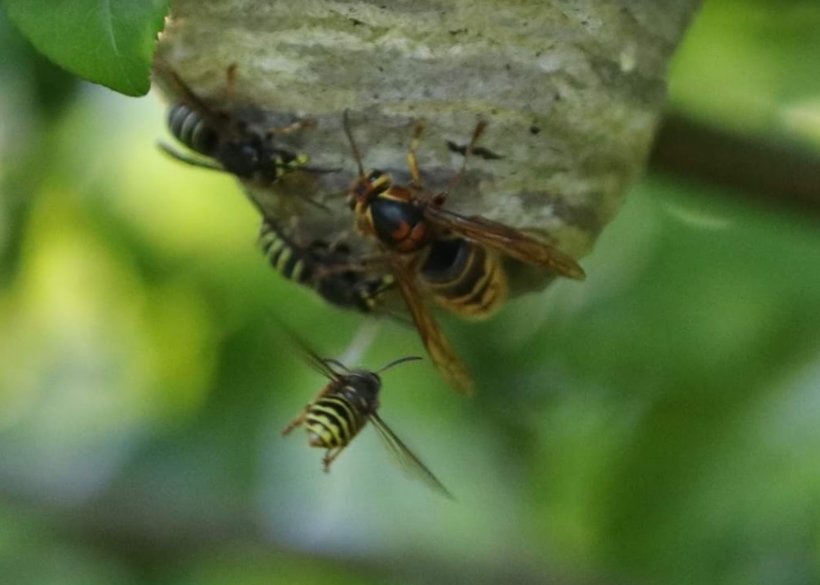
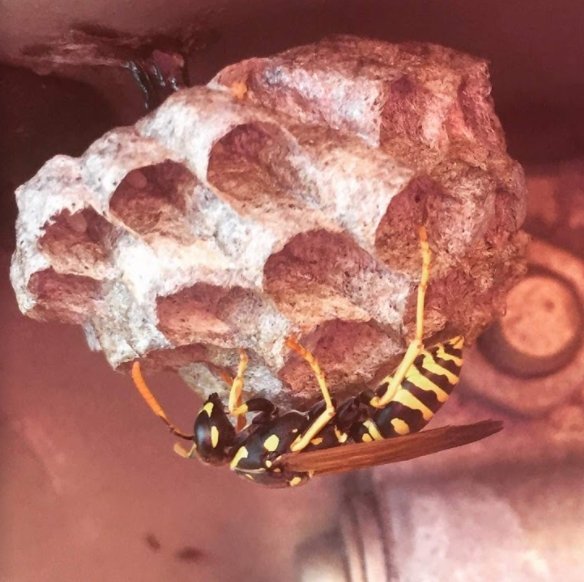
Wasps have a yellow and black head/face and patterned abdomen which resembles stripes. Wasp workers are 3/8 to 5/8 of an inch long.
Understanding the wasp lifecycle explains why wasp problems in Ireland follow a predictable seasonal pattern:
This lifecycle explains why wasp problems get worse in late summer — the workers become agitated as their food source disappears and the colony dies around them. Professional treatment is most effective when the nest is still active and workers are present to carry the insecticide back through the nest.


Being stung by a wasp hurts. But there are more serious risks that can arise when a person gets stung.
Individuals allergic to wasp stings may develop severe reactions. A mild reaction will include intense redness, swelling, itching and pain all occurring within minutes.
More severe reactions to wasp stings include generalised swelling and itching, faintness, sweating, a pounding headache, stomach cramps or vomiting, a feel of impending doom, a tight chest or choking sensation with swelling of the throat and in extreme cases anaphylactic shock with death resulting.
A wasp can repeatedly sting you. To easily and effectively treat wasp stings, we recommend the following:
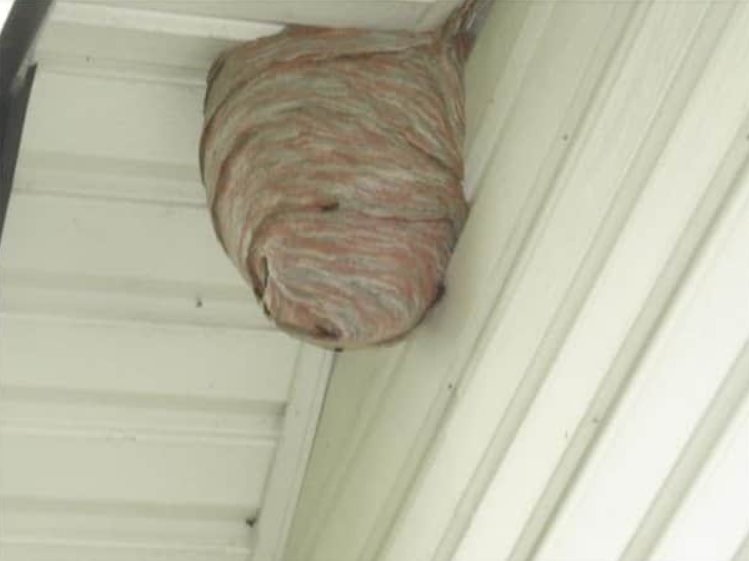
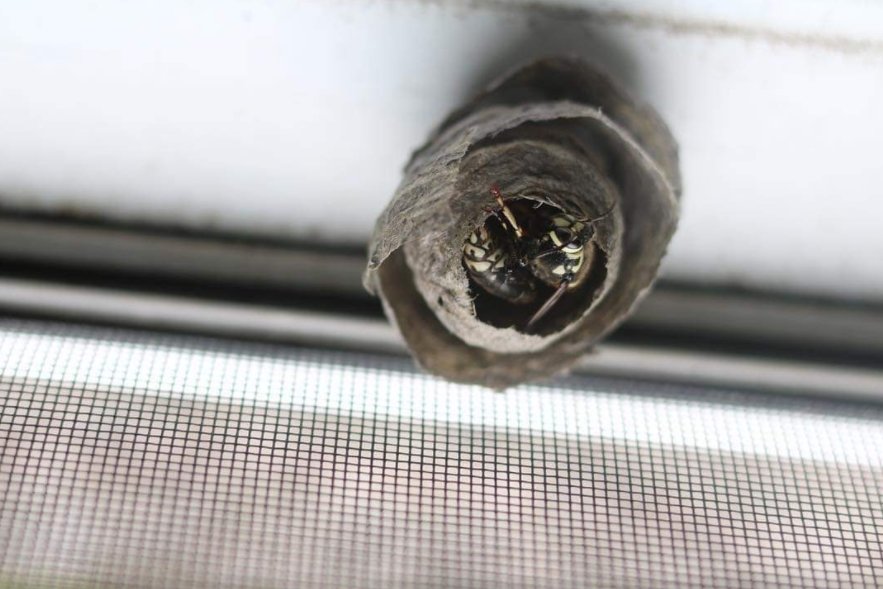
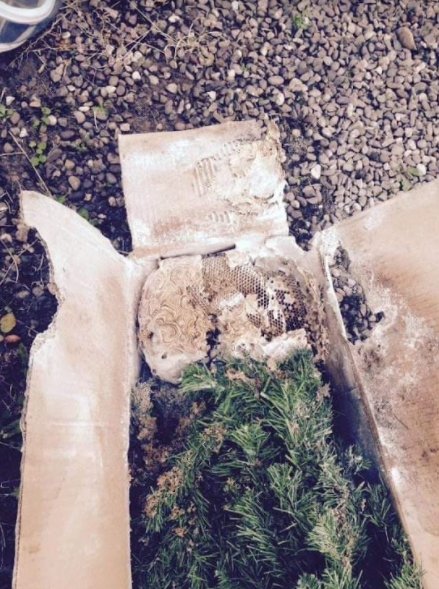
Owl Pest Control Technicians have extensive knowledge and experience in dealing with wasps and hornet nests from any area, e.g.:
Do you have a wasp or wasp nest problem and need professional help?
Want to get rid of wasps by yourself?
Click on the links below for more details or to buy DIY wasp killing products online

Do you have a wasp problem and need to talk to an expert?
Contact Owl Pest Control today!

Unit 19, Tallaght Business Centre, Whitestown Road, Tallaght, Dublin 24. D24 TD42
| Cookie | Duration | Description |
|---|---|---|
| cookielawinfo-checkbox-advertisement | 1 year | The cookie is set by GDPR cookie consent to record the user consent for the cookies in the category "Advertisement". |
| cookielawinfo-checkbox-analytics | 11 months | This cookie is set by GDPR Cookie Consent plugin. The cookie is used to store the user consent for the cookies in the category "Analytics". |
| cookielawinfo-checkbox-functional | 11 months | The cookie is set by GDPR cookie consent to record the user consent for the cookies in the category "Functional". |
| cookielawinfo-checkbox-necessary | 11 months | This cookie is set by GDPR Cookie Consent plugin. The cookies is used to store the user consent for the cookies in the category "Necessary". |
| cookielawinfo-checkbox-others | 11 months | This cookie is set by GDPR Cookie Consent plugin. The cookie is used to store the user consent for the cookies in the category "Other. |
| cookielawinfo-checkbox-performance | 11 months | This cookie is set by GDPR Cookie Consent plugin. The cookie is used to store the user consent for the cookies in the category "Performance". |
| viewed_cookie_policy | 11 months | The cookie is set by the GDPR Cookie Consent plugin and is used to store whether or not user has consented to the use of cookies. It does not store any personal data. |
| Cookie | Duration | Description |
|---|---|---|
| YSC | session | This cookies is set by Youtube and is used to track the views of embedded videos. |
| Cookie | Duration | Description |
|---|---|---|
| IDE | 1 year 24 days | Used by Google DoubleClick and stores information about how the user uses the website and any other advertisement before visiting the website. This is used to present users with ads that are relevant to them according to the user profile. |
| test_cookie | 15 minutes | This cookie is set by doubleclick.net. The purpose of the cookie is to determine if the user's browser supports cookies. |
| VISITOR_INFO1_LIVE | 5 months 27 days | This cookie is set by Youtube. Used to track the information of the embedded YouTube videos on a website. |
| Cookie | Duration | Description |
|---|---|---|
| _ga_devsite | 2 years | No description |
| CONSENT | 16 years 7 months 12 days 14 hours | No description |
