


The Rise of DIY Pest Control in Dublin: Smart or Risky?
Dubliners have always taken pride in getting things done themselves. From home painting projects to furniture assembly, DIY has long been a popular approach. Now, that same mindset is extending to pest control. With more products available in shops and quick solutions going viral online, a growing number of people are trying to tackle rodents, ants, and wasps without calling in the pros.
It seems easy and affordable at first glance. But is it working? Or could these efforts be leading to more problems in the long run?
Let’s take a closer look at what DIY pest control can really do, where it falls short, and when it makes sense to bring in expert support.
Why More Dubliners Are Choosing DIY Pest Control
People want fast, budget-friendly solutions. That’s one of the biggest reasons DIY pest control has become so popular. If you see a mouse or a trail of ants in the kitchen, it feels easier to buy a trap or a spray and deal with it yourself.
The internet has made this even more tempting. A quick search brings up hundreds of tips, hacks, and products promising instant results. It’s no wonder more people are giving it a try.
But even with this trend growing, professional pest control services are still in high demand. According to our online DIY Pest Control products sales, more Dubliners are reaching out for help after DIY pest control efforts failed to fully solve the problem. Many of these cases started small but got worse over time.
This suggests that while DIY pest control may seem like a smart shortcut, it often isn’t enough on its own.
What DIY Pest Control Can Help With (And What It Can’t)
Basic pest problems can sometimes be handled at home. If you catch a few ants early or spot one mouse, using traps or sprays might work in the short term. For small issues, DIY pest control can be helpful.
But pests often hide deeper than you think. Mice may be nesting inside your walls. Cockroaches could be breeding in warm, dark spaces under appliances. Wasps build nests in attics, under roof tiles, or in garden sheds. These problems are rarely fixed with a single trap or spray.
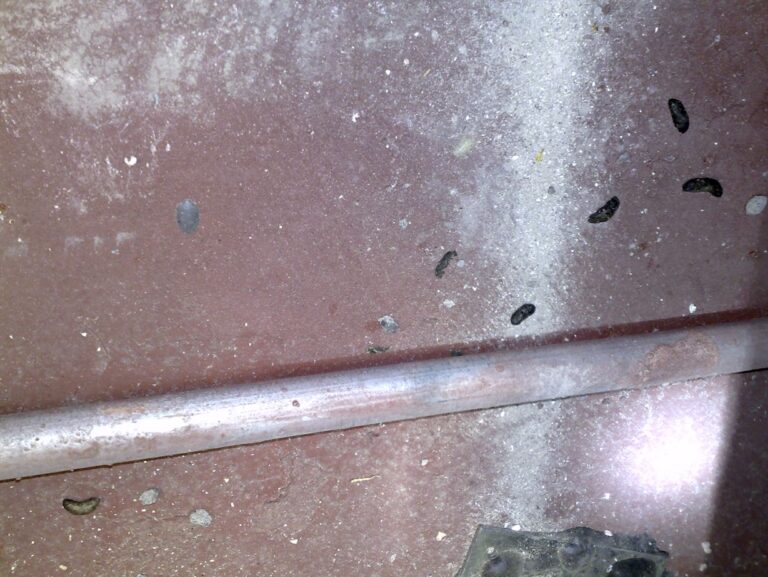
DIY pest control methods usually target what you can see. They do not get to the root cause. Entry points, hidden nests, and breeding grounds often go undetected without a full inspection. Moreover, some pests like bedbugs are getting very tricky to control, even for professionals.
When that happens, the issue doesn’t go away. It just moves out of sight until it returns, often worse than before.
Local pest control providers are trained to deal with Dublin’s specific pest issues. They look beyond the surface and deal with the source. Their team will also help seal up problem areas, so pests don’t return.
What DIY Pest Control Misses: Inspections and Early Warning Signs
One major gap in the DIY pest control approach is the lack of inspection. Pest control isn’t just about reacting to visible pests. It’s about preventing them from getting in and catching them early when they do.
Mice can squeeze through holes the size of a coin. Cockroaches find their way into homes through cracks, vents, or plumbing gaps. These access points are usually hidden behind furniture, under sinks, or around the roofline. Most people don’t know where to look, and by the time they notice droppings or scratching, the pests have already settled in.
This is why regular inspections are essential. As explained in this helpful post on property inspections, checking for signs of entry, damage, or unusual smells can help spot pest problems early. Early detection makes treatment easier and prevents costly damage down the line.
The Real Cost of DIY Pest Control Mistakes
Trying to save money with DIY pest control can lead to higher costs later. Missed nests, hidden droppings, or misused chemicals can result in property damage, health risks, and repeated infestations.
Rodents chew wires and damage insulation. Wasps become aggressive when disturbed. Over-the-counter sprays can cause problems for pets or children when used incorrectly. And many people don’t realise that using too much pesticide or mixing products can actually make things worse.
Professional property managers know this. That’s why pest prevention is part of their regular routine. Management groups understand that proper maintenance, sealing entry points, and routine checks are key to keeping homes pest-free. Skipping these steps might save time at first, but usually leads to bigger problems later.
When It’s Time to Call the Experts
DIY pest control may be a good starting point, but it’s not always the full solution. If you notice any of the following signs, it’s time to stop guessing and bring in professional help:
- You’ve used traps or sprays more than once, but the problem keeps coming back
- You hear scratching sounds in walls or ceilings
- You’ve found droppings, chewed wires, or bad smells
- The same pest issue has returned more than once
These are signs the problem has grown beyond what you can manage on your own. At that point, a full inspection and treatment plan is the safest, most effective option.
Final Thought: Know When to DIY and When to Get Help
There’s nothing wrong with trying a DIY pest control solution for a small pest problem. It’s quick, affordable, and sometimes effective. But it’s important to know its limits.
The smartest approach is to combine early action with long-term prevention. That means regular inspections, good maintenance habits, and calling in the pros when needed. Pest control works best when you think ahead—not just react when things go wrong.
So if you’ve seen a few ants or heard a noise in the wall, don’t panic. But don’t ignore it either. A few simple steps today can save you time, money, and stress tomorrow.
These small actions, repeated regularly, can help prevent bigger problems later on. Traps may help manage a minor issue, but lasting prevention usually requires a more thorough approach. Professional inspections and seasonal checks are the most effective way to stay ahead of any infestation.