

Experts Warn – Mild September in Dublin Could Mean a Rat Boom This Winter
September in Dublin usually signals a shift toward cooler evenings and shorter days. This year, however, Met Éireann has noted one of the warmest early autumns in recent years, raising concern among pest control professionals. A prolonged spell of mild weather can set the stage for higher rat populations in winter, as ideal breeding and foraging conditions last far beyond their usual cut-off point.
While Dublin is no stranger to rodent problems, the combination of extended warmth, constant food availability, and easy shelter in older buildings and laneways means infestations could grow rapidly before colder weather finally arrives.
Why a Mild September Matters for Rats
Rodents are highly adaptable, and their breeding cycles often respond directly to environmental conditions. Warm, dry weather allows rats to reproduce later into the year, meaning more litters before winter sets in. In densely populated parts of Dublin, this results in a higher baseline population seeking food and shelter by the time the first frost hits.
The city’s architecture provides plenty of opportunities for access. Georgian basement areas, cracked brickwork in older terraces, and ventilation grilles in apartment blocks all make tempting entry points. The longer these remain unsealed during mild weather, the more time rats have to establish nests that will persist through the colder months.
Owl Pest Control’s overview of Dublin city centre rodent problems points out that year-round food availability in urban areas is already a major challenge. Combined with a warmer autumn, it can result in rodent numbers rising much faster than usual.
From Autumn Foraging to Winter Nesting
In a typical year, falling temperatures naturally slow rat reproduction. However, when September remains mild, females can produce more litters before conditions turn harsh. Each litter may contain six to twelve pups, and those young can become breeding adults within two to three months. By December, a litter born in early autumn could already be expanding the population further.
This extra time for foraging allows rodents to locate and secure prime nesting spots well in advance of winter. Lofts in period houses, cavity walls in newer builds, and underfloor voids in flats are all highly sought-after nesting sites that offer warmth and security.
Construction and street works, common in Dublin’s city centre, can disturb existing colonies and drive them into residential or commercial premises. Once they settle indoors, infestations can escalate quickly and are far more difficult to manage without professional help.
Early Warning Signs to Watch For
Spotting rats before winter takes hold greatly improves the chances of dealing with the problem effectively. One of the earliest indicators is the presence of droppings, often found in cupboards, behind kitchen appliances, or along skirting boards. Gnaw marks on wires, wooden fittings, or food packaging are also a strong sign.
You may also notice greasy smear marks along walls or floor edges where rats repeatedly travel the same routes. Scratching noises in the ceiling or wall cavities during the night can indicate activity that has gone unnoticed during the day.
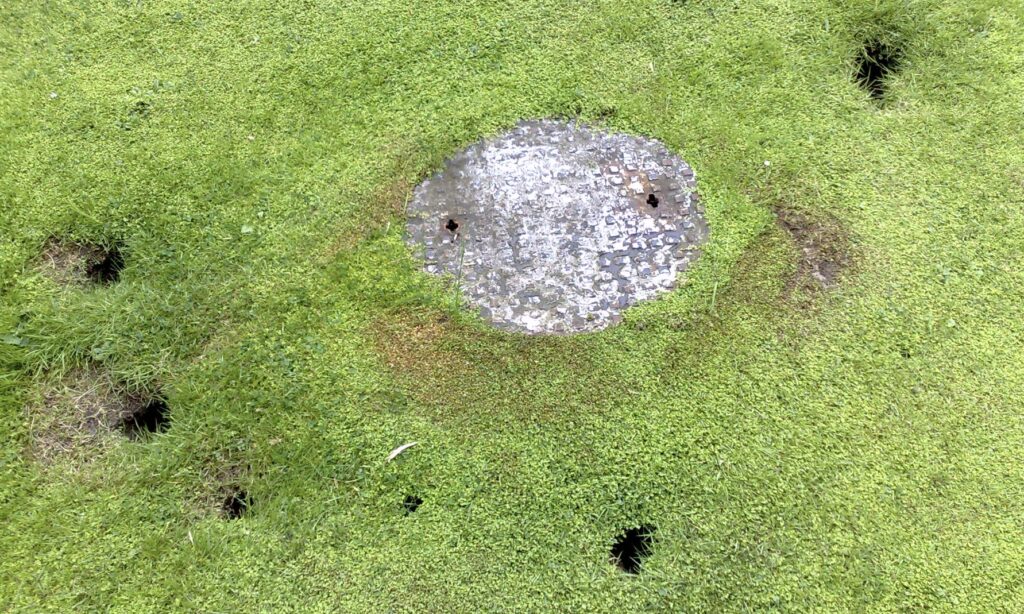
Outdoors, burrows near sheds, compost bins, or council bin storage areas suggest rats may already be nesting close to your home. Any of these signs should prompt swift action, as delaying can lead to a much larger infestation by spring.
Why Prevention Now Saves Trouble Later
Taking preventative action in early autumn is far simpler and less costly than trying to tackle a mid-winter infestation. Sealing entry points, securing food waste, and maintaining clean and uncluttered external areas can all make a significant difference.
Apartment blocks and multi-occupancy buildings are especially vulnerable. A single gap in a shared wall, roof space, or service duct can allow rats to spread quickly between flats. Owl Pest Control’s guide to pest risks in new apartment builds notes that even modern developments are not immune if maintenance is inconsistent.
Everyday habits can also play a role in attracting rodents. Feeding birds, leaving pet food outside overnight, or failing to close compost bins securely can create a steady food source that keeps rats active well into the winter months.
The Cost of Ignoring the Problem
Rats can cause significant damage to a property. They chew through electrical wiring, insulation, and timber, creating fire hazards and expensive repair bills. Contamination of food storage areas also poses health risks to occupants.
For landlords, unresolved infestations can lead to strained relationships with tenants, emergency call-outs, and potential loss of rental income. In some cases, pest issues can spread between flats or even to neighbouring properties, increasing the scope of the problem.
The financial fallout can extend beyond pest control costs. Damage to a property’s reputation or buyer appeal can reduce its market value, and legal claims may arise if the problem is not dealt with promptly.
Long-Term Pest Management Strategies
Effective pest control is not a once-a-year task. Long-term prevention requires regular building maintenance, proper waste management, and seasonal inspections to identify vulnerabilities before they become major problems.
Some landlords take inspiration from experienced property management firms that build preventative strategies into their year-round maintenance schedules. Routine inspections and timely repairs can prevent everything from minor leaks to rodent incursions.
Professional pest control services in Dublin, like OWL Pest Control, offer tailored programmes that combine regular site visits, baiting, and proofing work to keep properties secure through all seasons.
Linking Local Trends to Property Value
An increase in winter rat activity could have a knock-on effect on property values. Renters and buyers are increasingly aware of environmental and maintenance risks, and a history of pest problems can make a home or flat less appealing.
Owners who take a proactive stance are far better positioned to protect their investment. Following the example of companies like Dakota Properties, which maintain homes in a market-ready condition year-round, helps to preserve both rental income and long-term value.
A well-maintained, pest-free property does more than avoid emergencies; it strengthens tenant trust and keeps your property competitive in Dublin’s fast-moving housing market.
Preparing Before the Weather Turns
If mild weather continues into October, it is the ideal time to inspect your property. Focus on likely entry points such as drains, pipe inlets, vents, and basement windows. Seal any gaps using rodent-proof materials such as galvanised mesh or heavy wire.
Booking a pest control inspection now can help you avoid long wait times during the winter peak. It is also worth combining this with other seasonal maintenance tasks, such as clearing gutters and servicing heating systems, to ensure your home is ready for colder months.
Taking these steps before the winter sets in will protect your property, save on repair bills, and give you peace of mind through the darker season.
Another factor that can contribute to sudden rat infestations is hidden damage within underground drainage systems. Rats are strong swimmers and often travel through sewer pipes, emerging inside buildings if a drain joint becomes cracked or displaced. In these situations, traditional pest control treatments alone may not solve the problem.
A professional rat drain survey can identify broken pipework and confirm whether rats are entering through drains before the infestation becomes established.

Stay Ahead of the Curve
A warm September may seem pleasant, but for Dublin’s rat population, it is an opportunity to expand before the winter slowdown. Addressing vulnerabilities now is the most effective way to avoid costly infestations later.
Whether you are a homeowner, landlord, or property investor, early preparation means a safer, cleaner, and more comfortable winter. By staying proactive, you can keep your property free of unwanted guests and maintain its value in a competitive market.